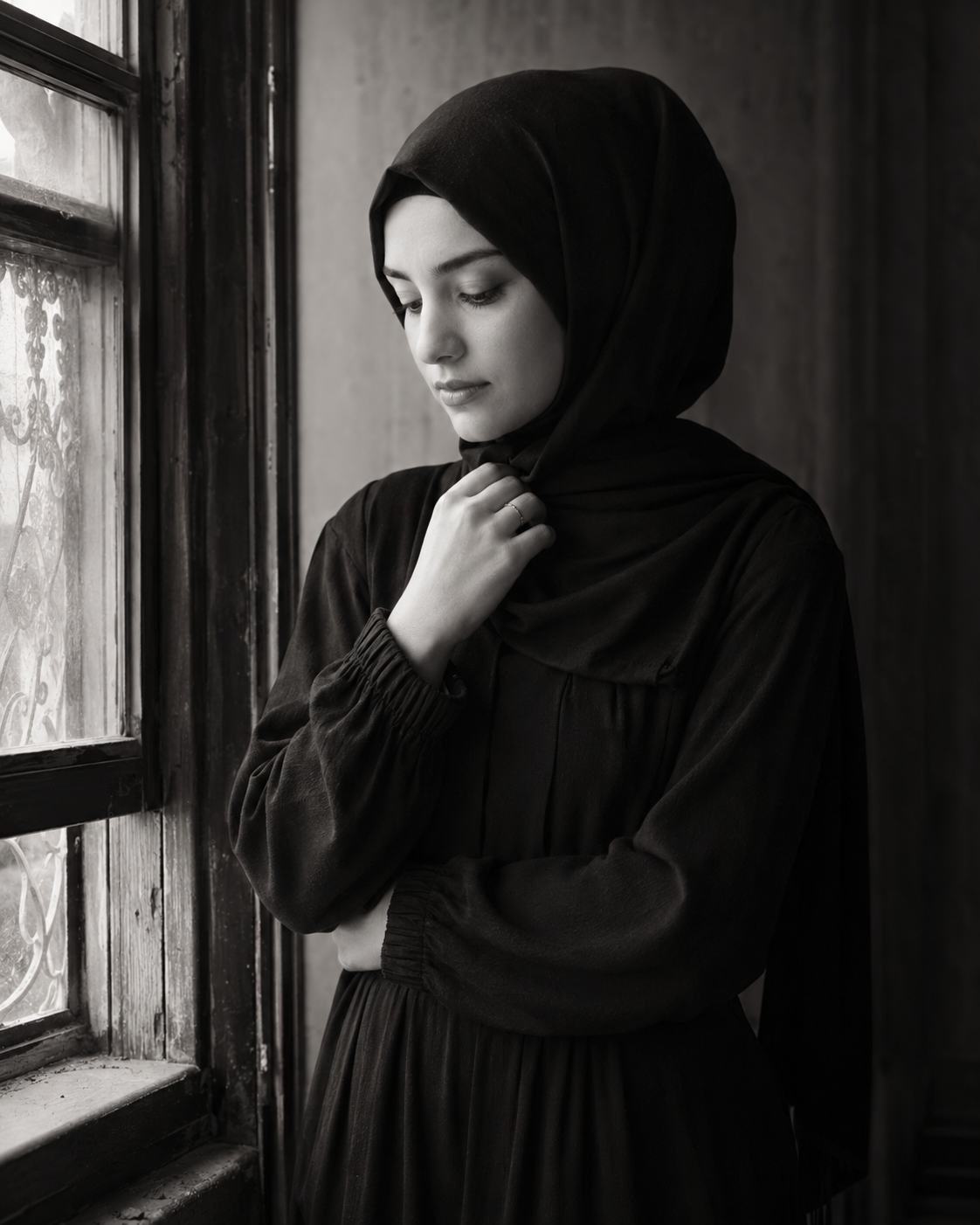
Ethical & Cultural Portraits
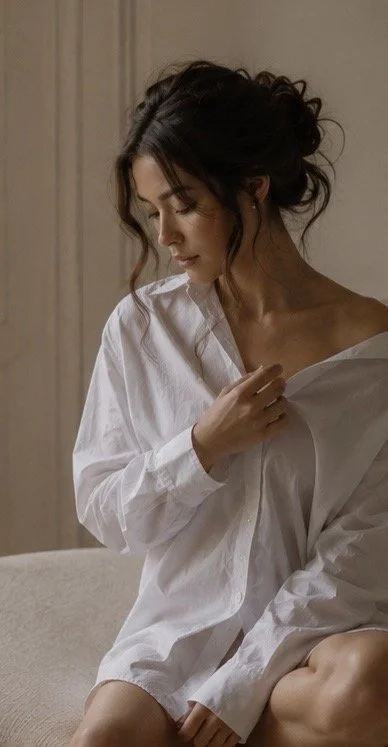
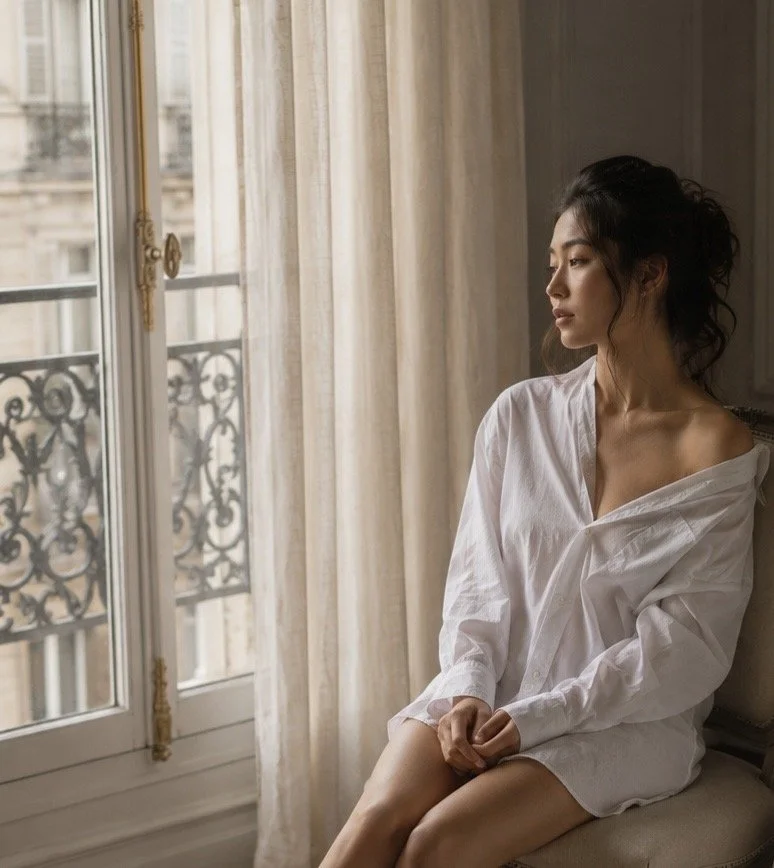
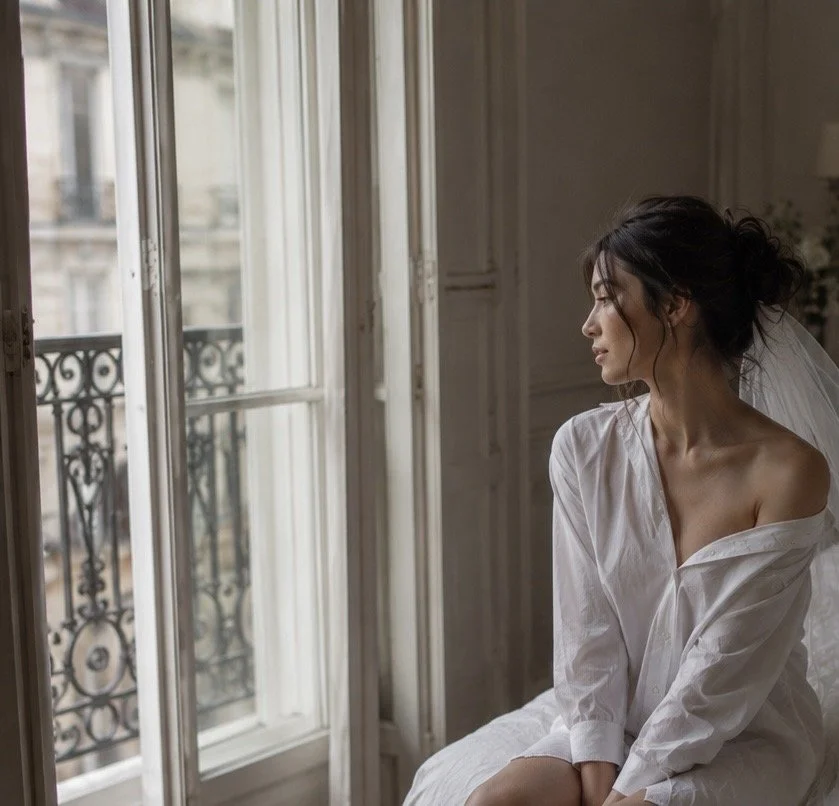
Boudoir, Presence & Personal Atmosphere
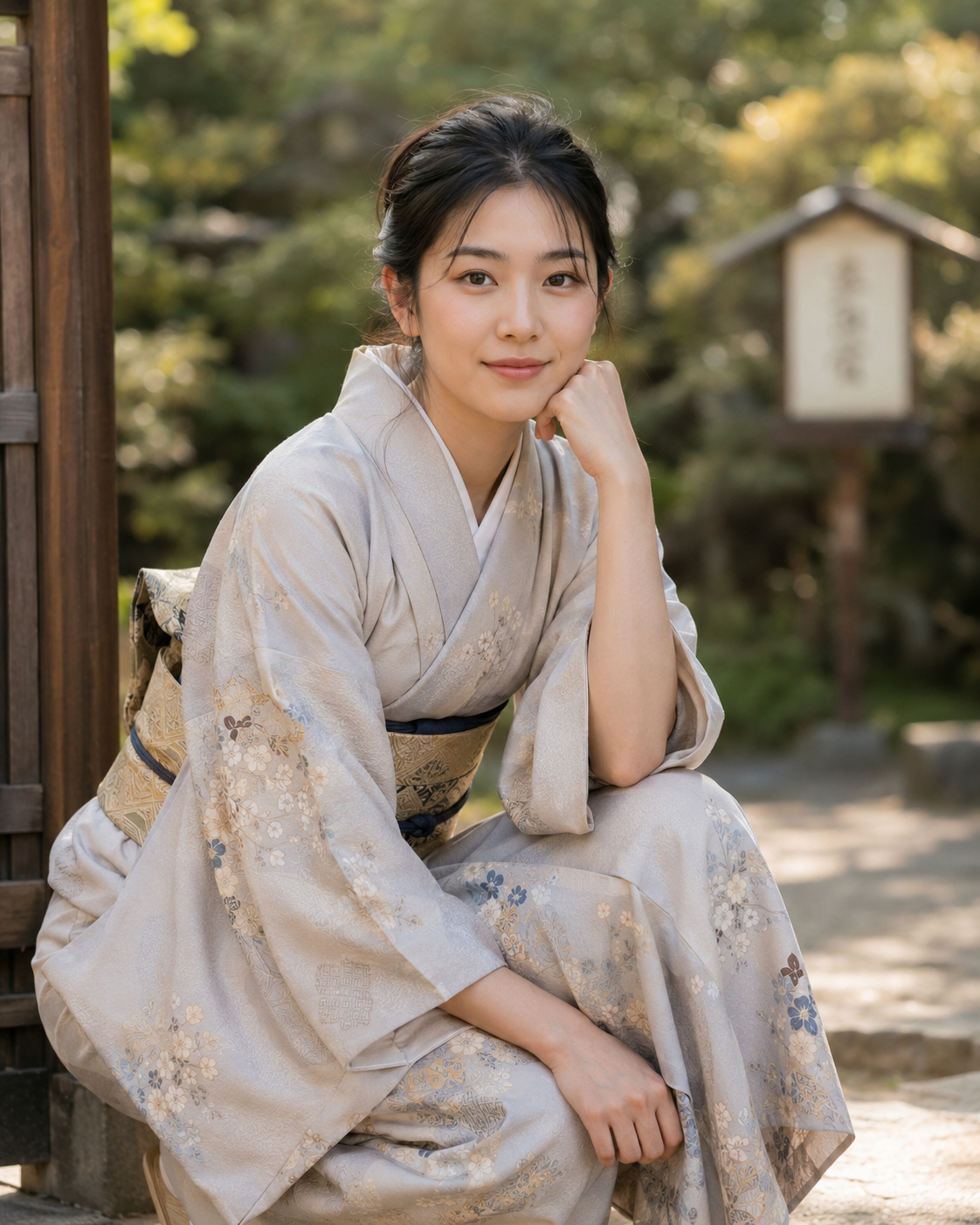
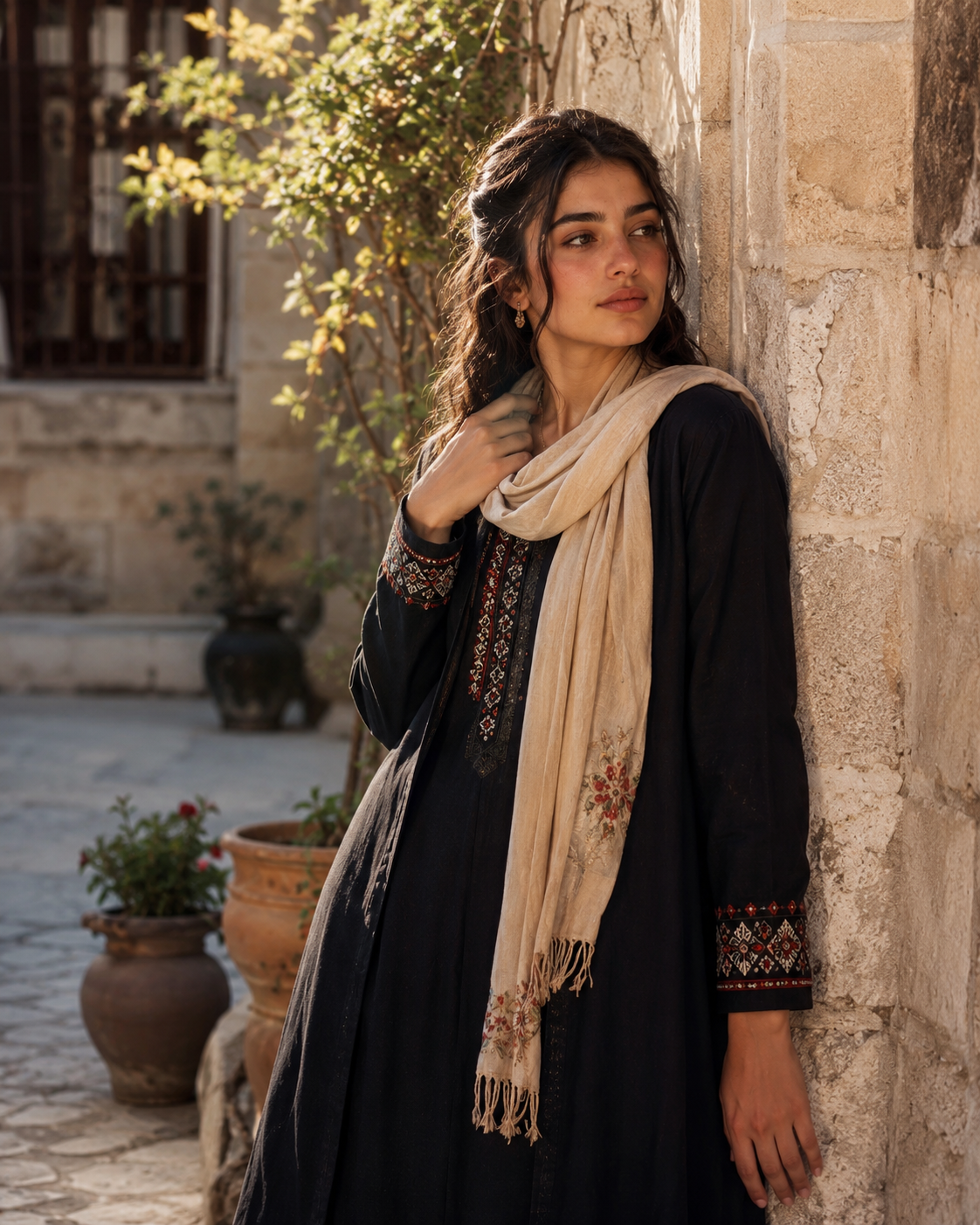
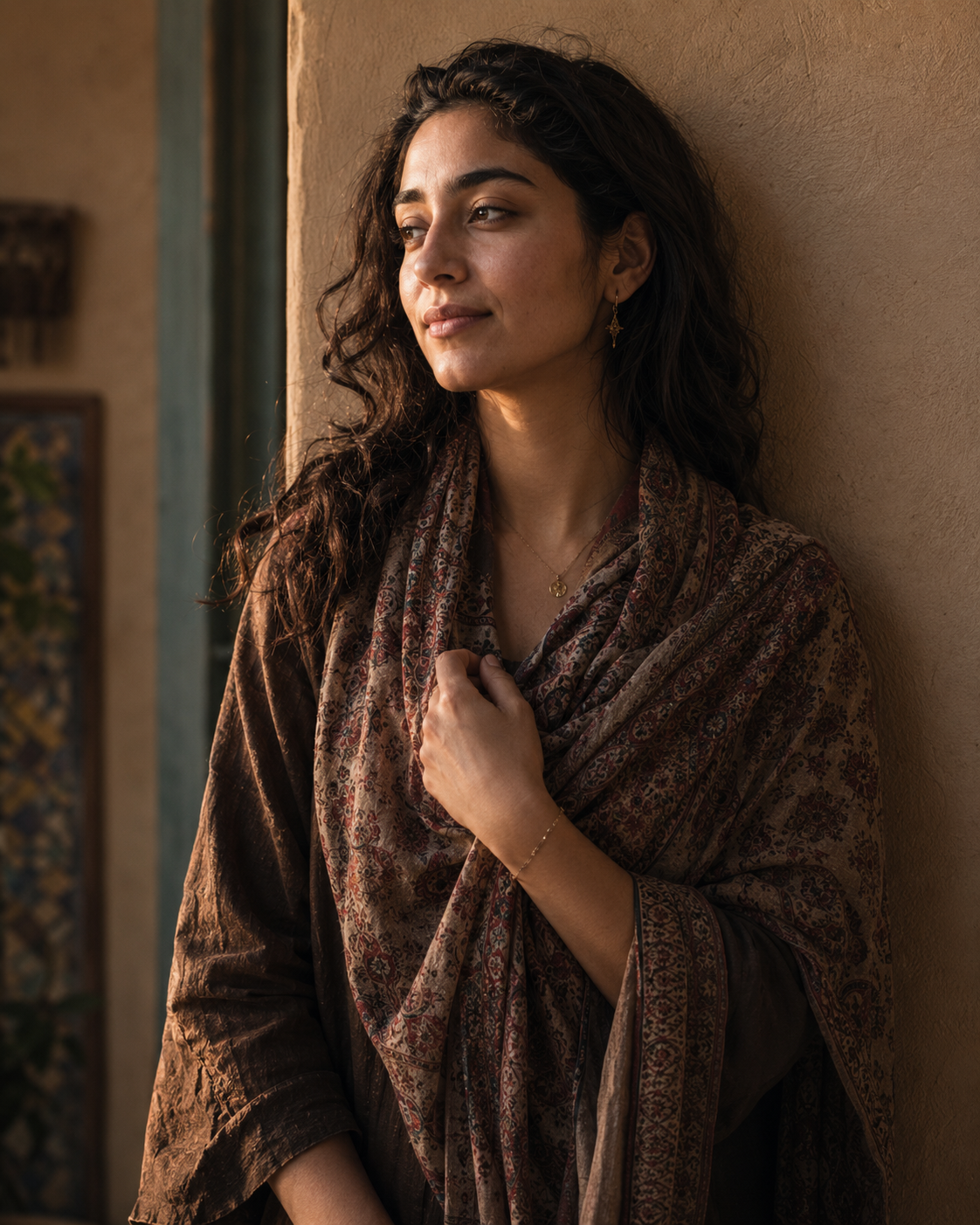
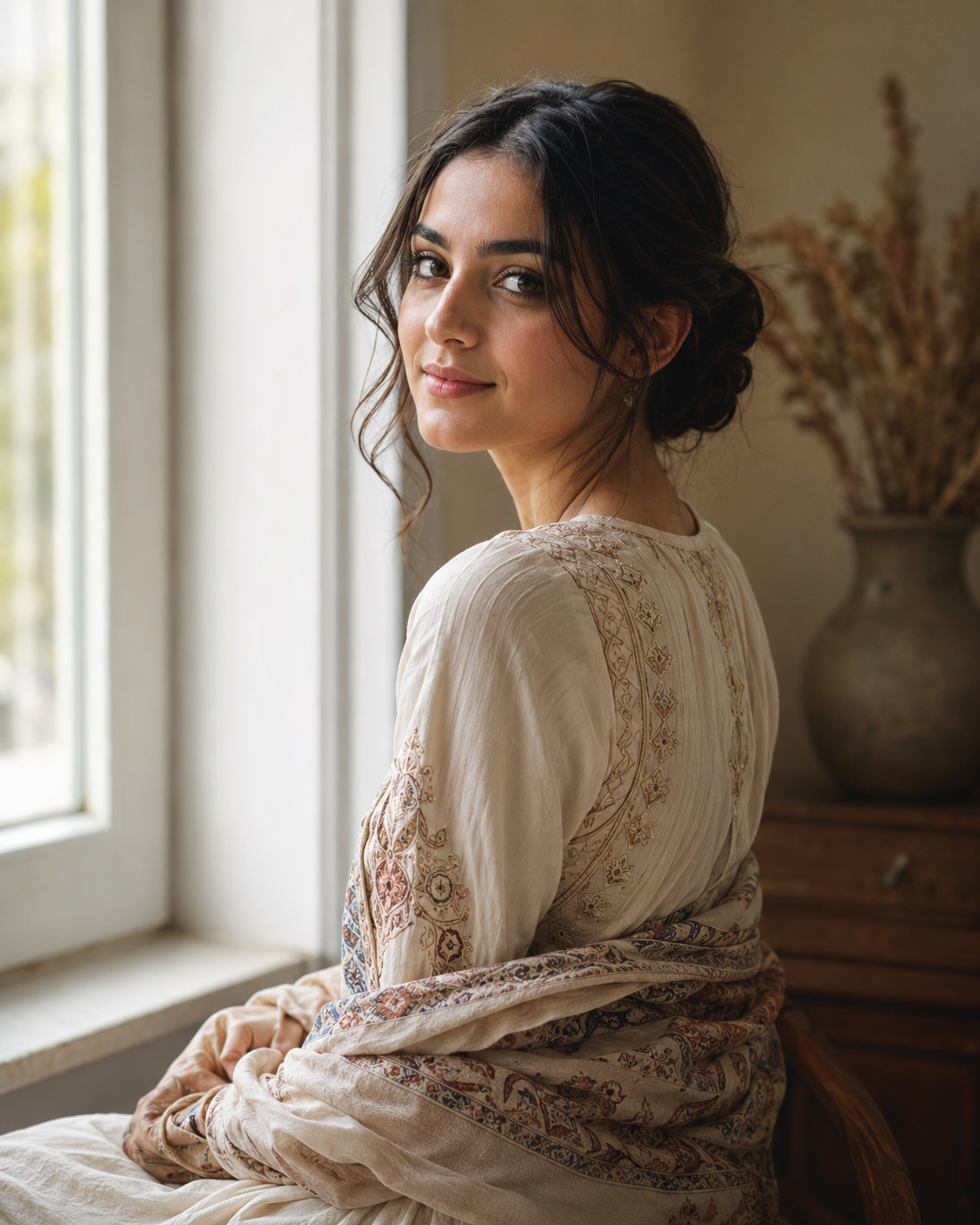
This portfolio brings together two quiet directions of my work: ethical and cultural portraiture, and intimate boudoir photography.

They may seem different at first. One is often rooted in identity, origin, clothing, memory, cultural presence or personal history. The other is more private, softer and closer to the body.

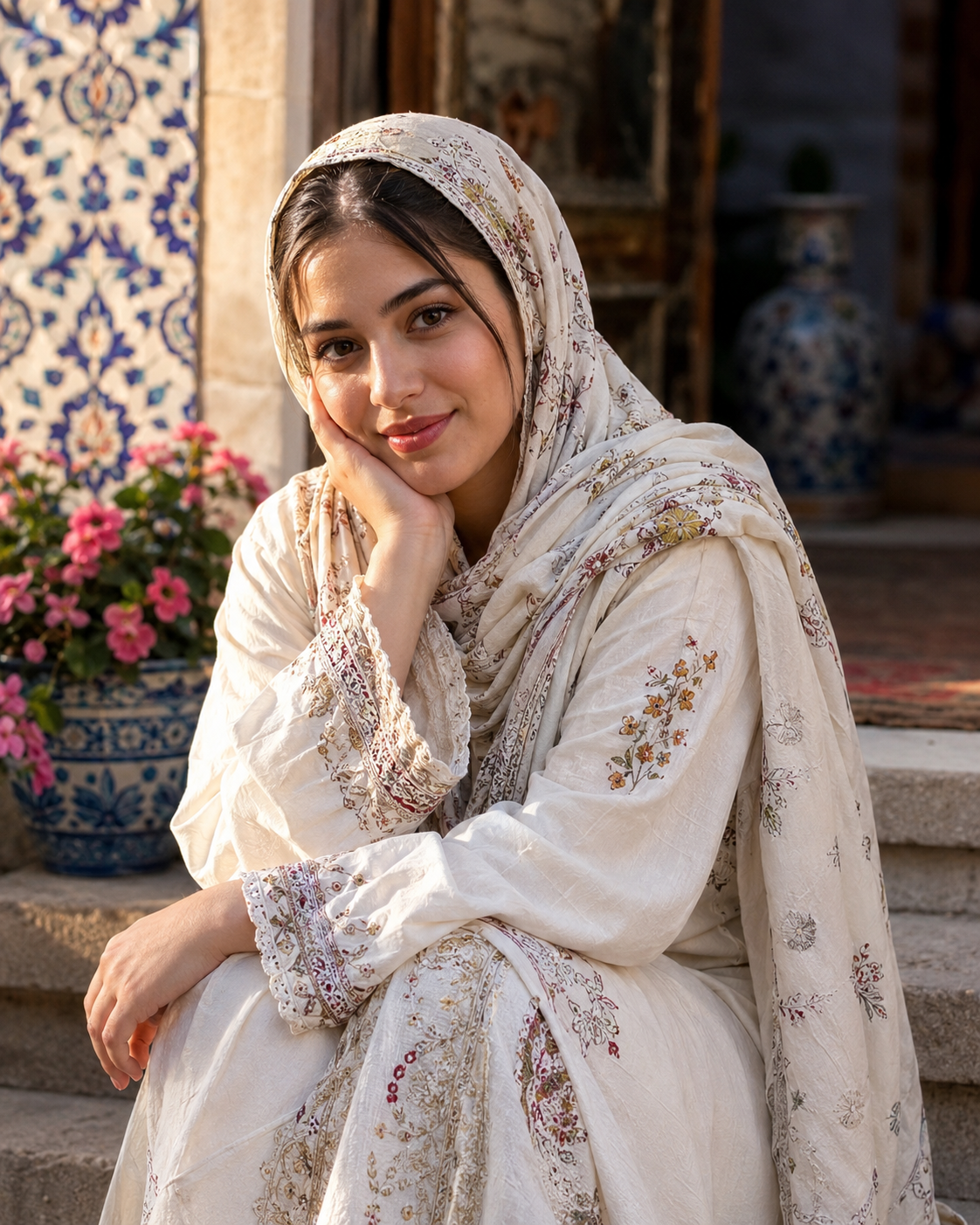
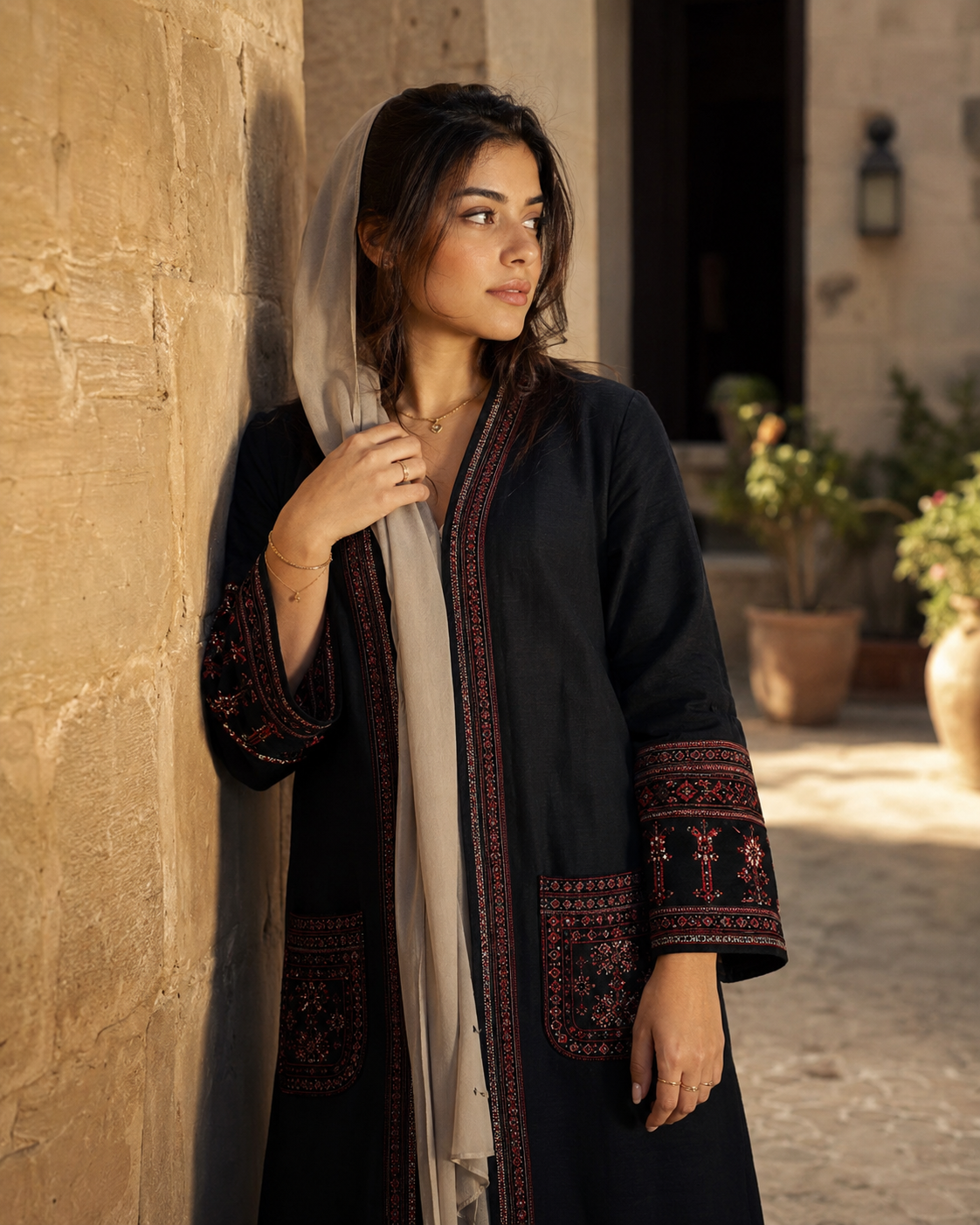
For me, both begin in the same place: with respect. An ethical portrait is never only about how someone looks. It is also about how a person wishes to be seen. Cultural references, traditional clothing, personal objects or gestures are not used as decoration. They are approached carefully, with context, consent and attention to meaning.

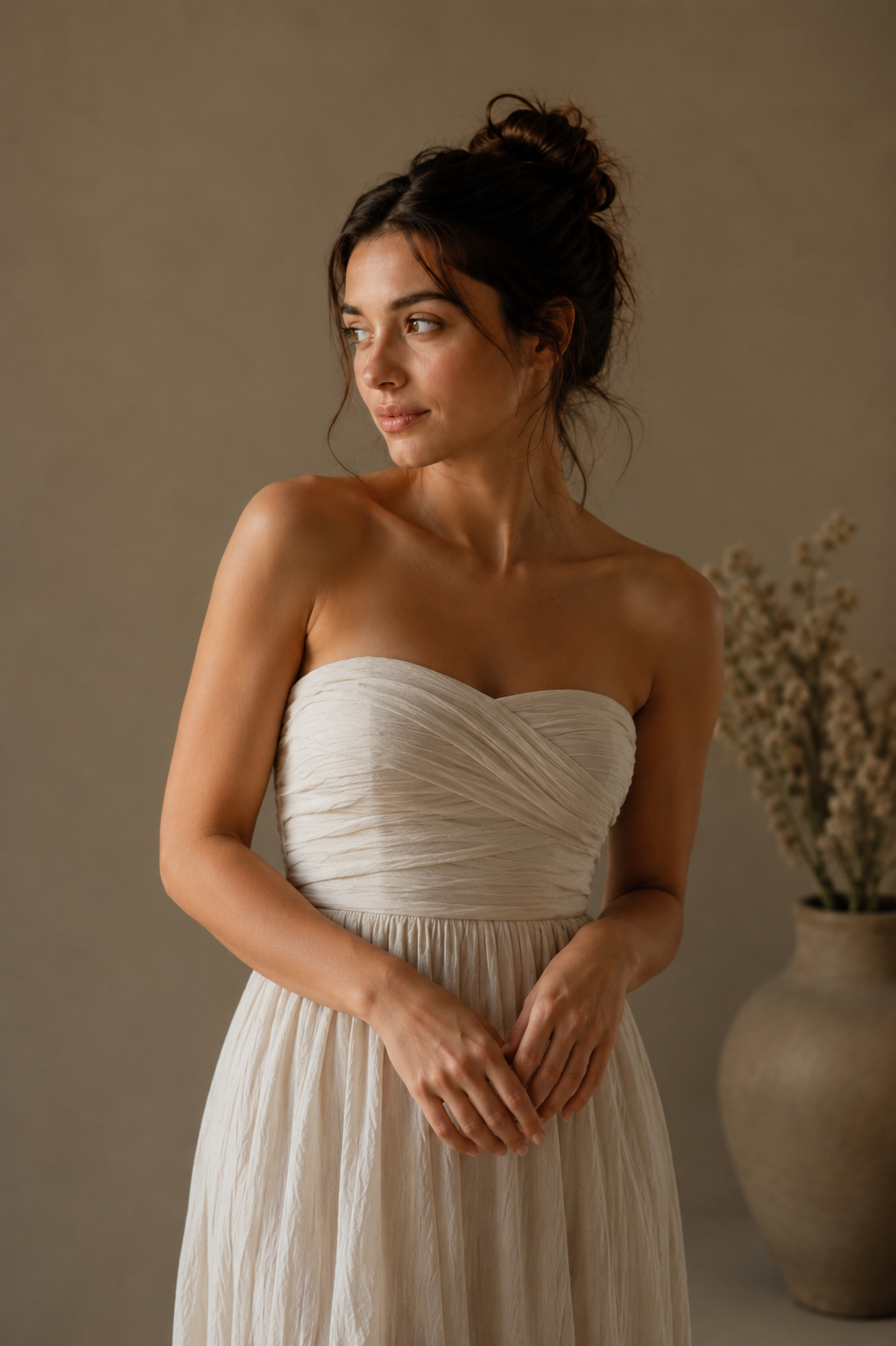
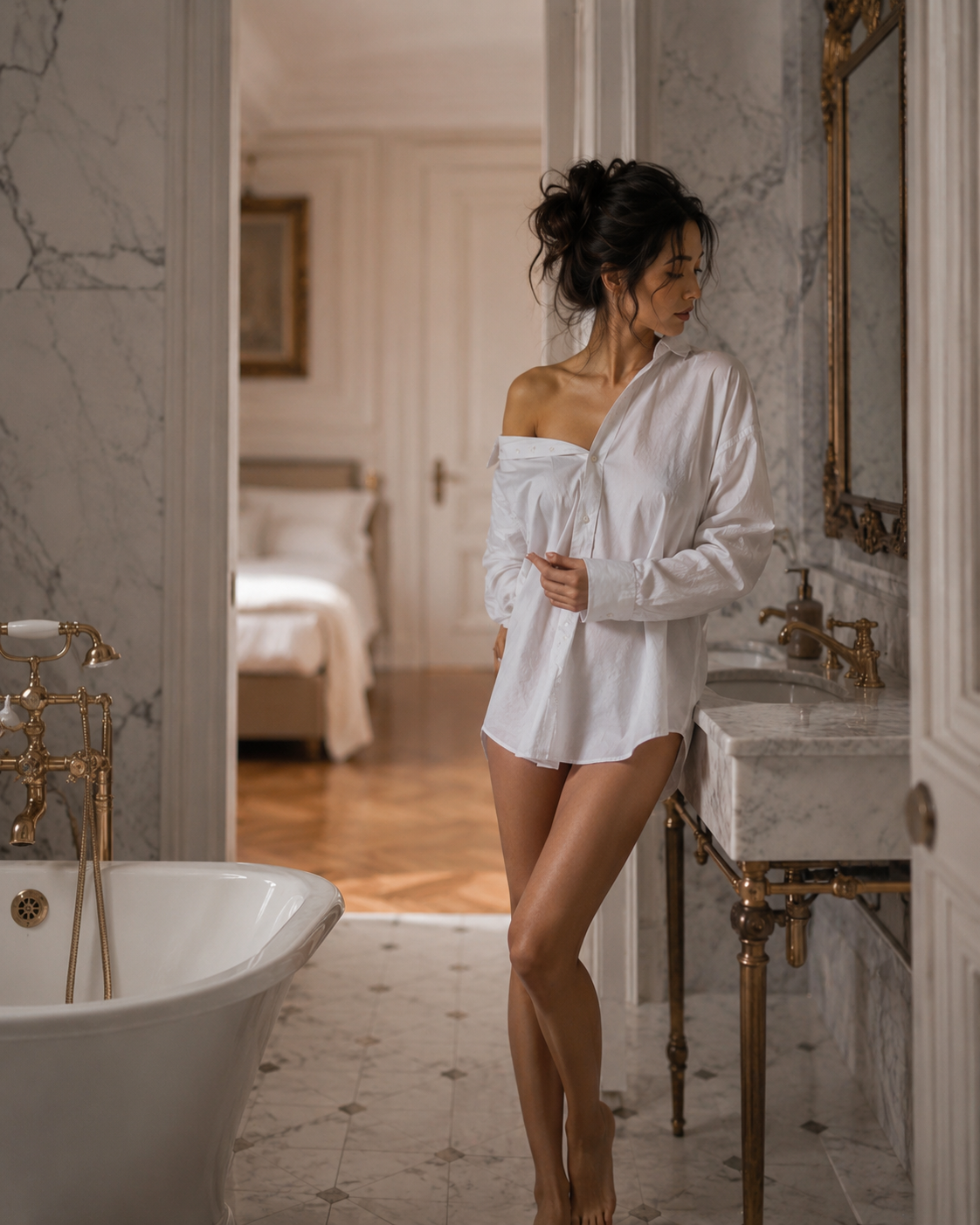
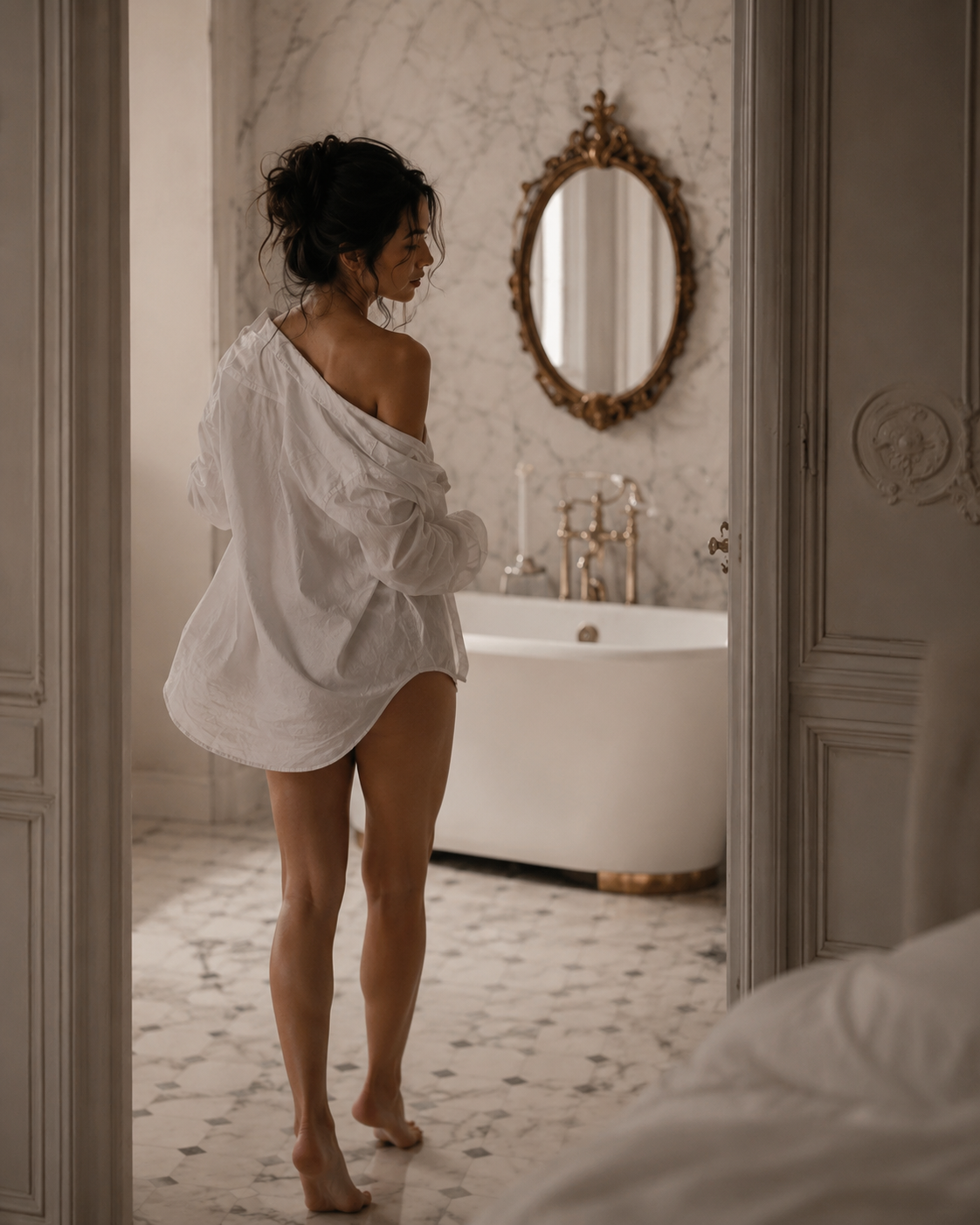
Boudoir, in the way I understand it, is not about performance or seduction for the camera. It is about atmosphere, trust, fabric, skin, light and quiet presence. It can be soft, intimate or vulnerable, but it should never feel pushed, exposed or taken.
In both forms, the image is created with the person in front of the camera, not over them.

The work may begin with simple portraits, clothing, hands, face, posture and natural light. From there, the direction can become more personal or more intimate, but only within a clearly agreed frame.

Nothing has to become more revealing than you want it to be.

Nothing has to be published without your explicit permission.

Nothing has to happen because it was possible in the moment.
These images are not meant to turn a person into an idea, a fantasy or a type. They are meant to hold something quieter: presence, dignity, vulnerability, confidence, heritage, softness, form and feeling.

For some women, this work is about honouring where they come from. For others, it is about seeing themselves with more tenderness.
For some, it is about creating serious portraits for a portfolio, setcard or artistic path.
For others, it is simply about making one or two images that feel true.

The visual language may change from portrait to boudoir, from cultural presence to fabric and atmosphere, but the principle remains the same:

The person is never secondary to the image.